We Perform Hydrostatic Testing in Darwin
Improving the fire safety of Darwin
Specialised Coverage for Maritime & Mining
Long-Established Local Expertise
International Approvals & Industry Memberships
Get a Quote
Thank you for contacting Fire Maintenance Services (NT) Pty Ltd.
We will get back to you as soon as possible.
Oops, there was an error sending your message.
Please try again later.
What is Hydrostatic Testing?
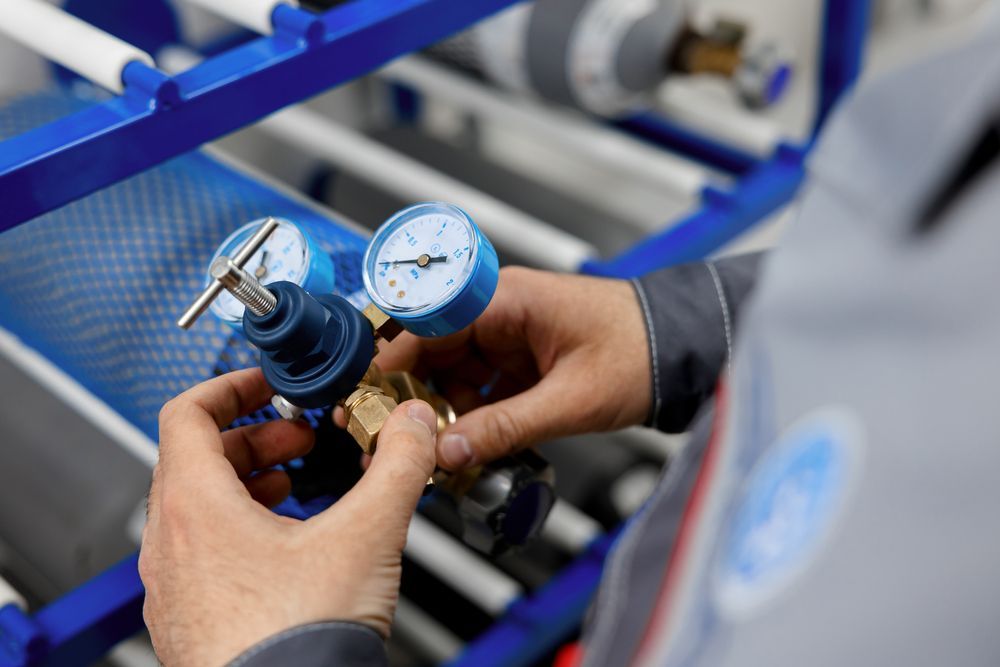
At Fire Maintenance Services (NT) in Darwin, we take safety seriously, which is why we offer hydrostatic testing for cylinders that hold liquids under pressure such as fire extinguishers, gas bottles and scuba tanks.
These cylinders are required to operate under pressure, so we test them regularly for leaks and for structural integrity.
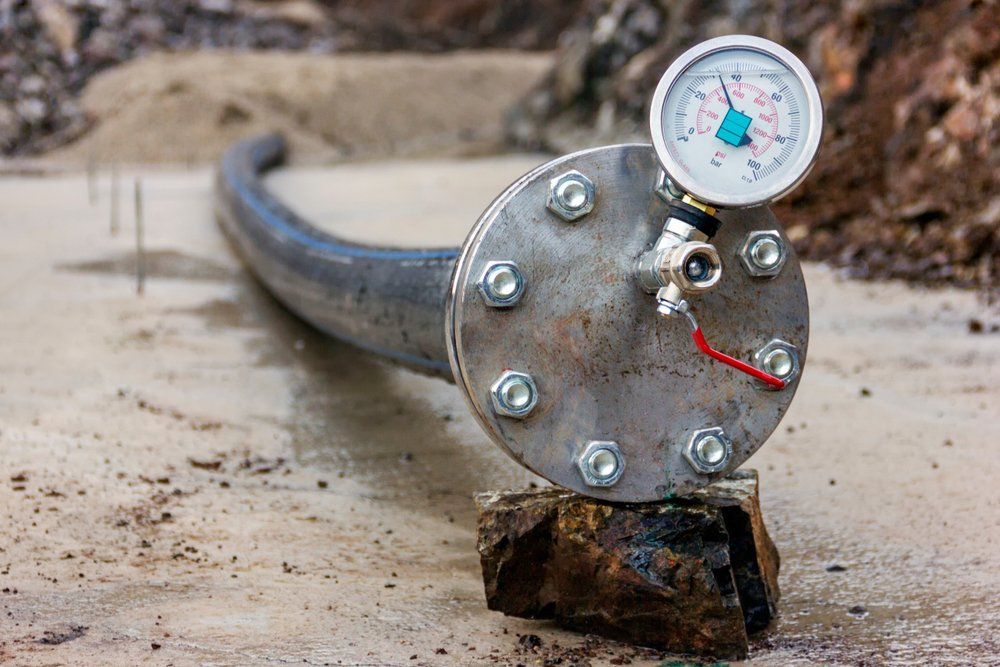
Hydrostatic testing may take the form of dyed water being added into the cylinder and put under pressurise at a higher level than normal to identify any leaks. Smaller cylinders are tested using a water jacket where changes in pressure can be monitored.
Call us today on (08) 8988 4695 to quote on performing this important safety service.
Frequently Asked Questions
How often does a gas cylinder need hydrostatic testing?
How often a gas cylinder needs hydrostatic testing depends on the cylinder type, what it is used for and applicable safety standards or regulations. Many cylinders have a test date stamped on them, showing when the next inspection is due. Regular testing helps confirm the cylinder is still safe to use and reduces the risk of pressure-related failure caused by corrosion, fatigue or damage.
What cylinders require hydrostatic testing?
Hydrostatic testing may be required for many types of pressurised cylinders, including those used for breathing air, fire suppression systems, industrial gases and other compressed gas applications. Any cylinder that stores pressure can deteriorate over time due to internal corrosion, impact damage or exposure to extreme temperatures. Checking which cylinders need testing usually depends on their classification, use and safety requirements.
What happens during a hydrostatic pressure test?
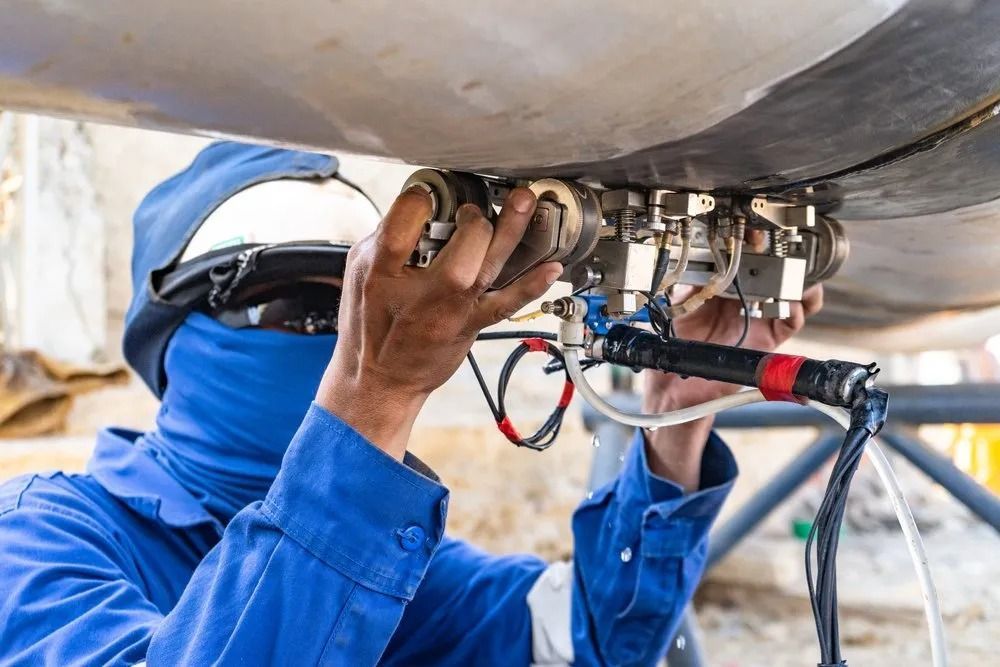
During a hydrostatic pressure test, the cylinder is inspected and then filled with water before controlled pressure is applied to test its strength. Water is used because it is safer than compressed gas during testing. The cylinder is checked for leaks, deformation or weakness that could make it unsafe. After passing, cylinders are typically marked or recorded with the test results and date.
Safe & Reliable Electrical Solutions
Hydrostatic testing, also known as cylinder pressure testing, is vitally important for the protection of your staff. Faulty cylinders may explode under pressure while they are being used, which can result in serious injury or death.
We recommend regular testing, according to the manufacturer and legislative requirements, for the safety of your personnel using the following equipment:
- Scuba tanks (every 12 months)
- Breathing apparatus (every 3-5 years)
- Fire extinguishers (every 5 years)
Call on Fire Maintenance Services (NT) for all your
fire equipment and
electrical safety needs. We serve the maritime and mining industries in Darwin and across the Northern Territory.